Refugee Economies Deserve More Than Good Intentions. Davet Proves It.
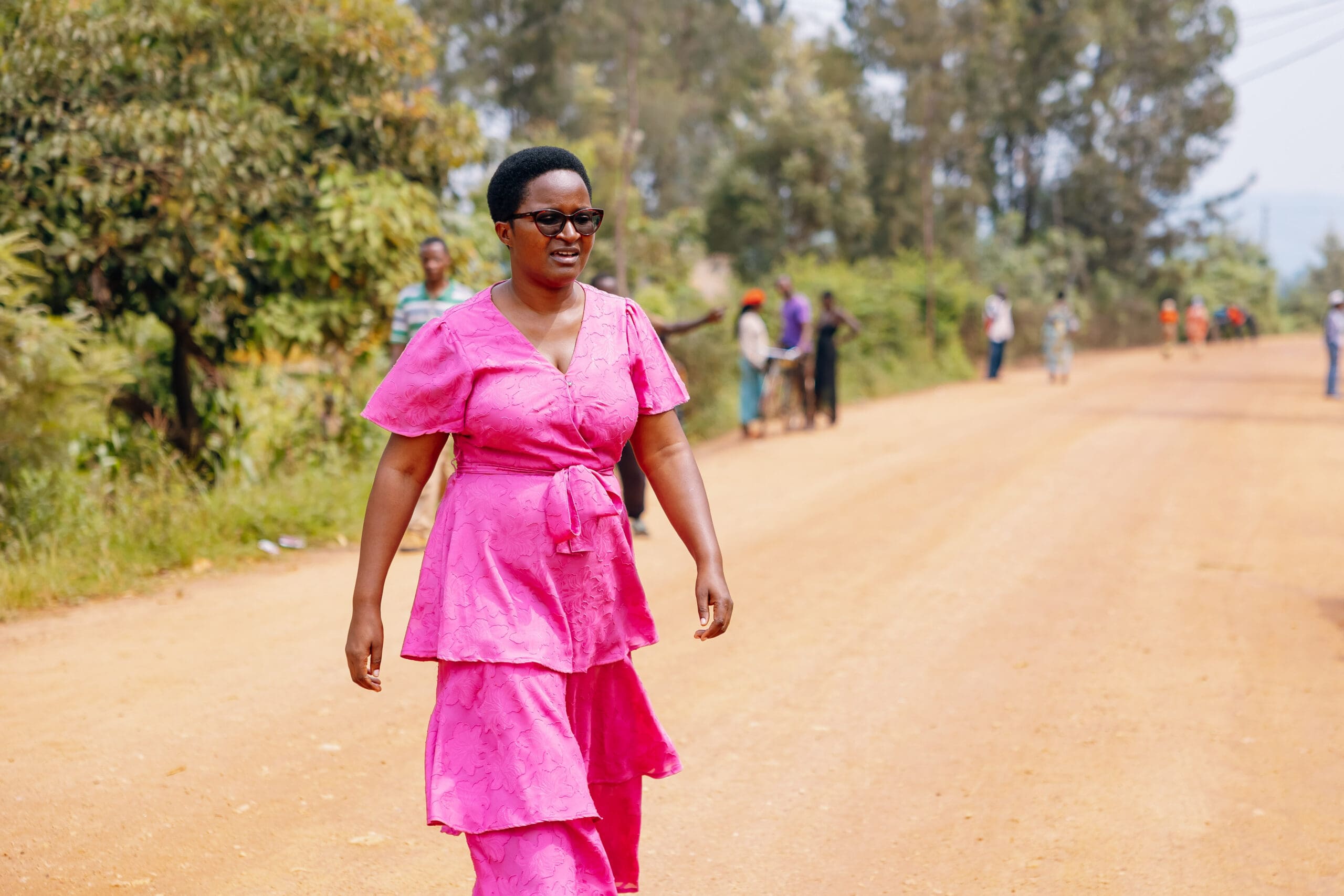
When Adeline Mukaidere left her job at an international NGO, she wasn’t chasing a new title. She was chasing an answer
“I had seen so many young people and women finish school or training but struggle to find working capital,” she recalls. “They had skills, they had drive, but no resources to start.”
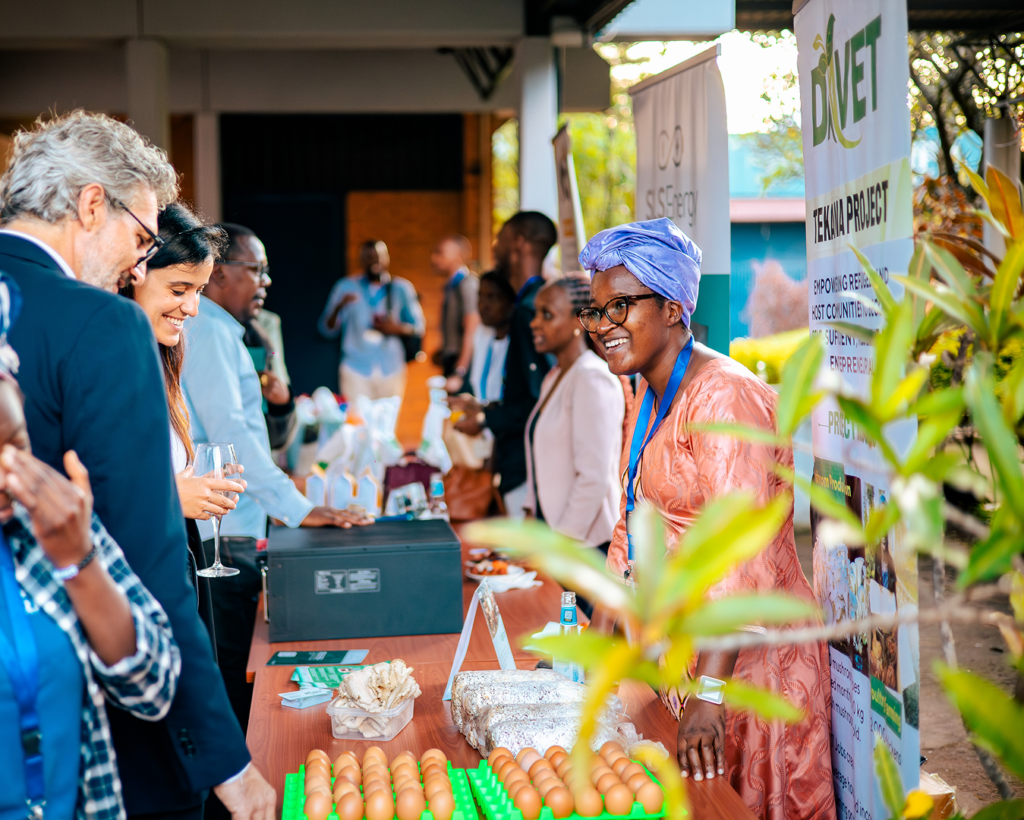
That gap – the one between knowledge and opportunity – is what shaped Davet. What began as a modest agribusiness has grown into a venture working with smallholder farmers, refugees, and host communities, providing livestock, agricultural inputs, and practical training so people can earn and build long-term stability. By the time Adeline applied to the Ignite Challenge 3.0, Davet was already operating across several agribusiness lines, working with farmers and steadily strengthening its model. Ignite didn’t mark the beginning; it refined the path forward.
“I received capacity building, mentorship, and financial support,” Adeline says. She talks plainly about what opened the door: a 25,000 USD grant, followed by a 15,000 USD top-up, which gave her the means to expand to Mugombwa and Nyabiheke camps. “I had the idea, but I didn’t have the capacity or working capital to reach the refugees. With the Ignite funding, I was able to scale up and include refugees and host communities in our business model.”
The expansion was immediate and measurable.
Two abandoned poultry barns in Mugombwa were revitalized, and 1,000 layer chickens were introduced to restart production, supporting a cooperative of over 1,000 members, including 300 refugees . Davet trained 65 people in sustainable poultry practices – 15 of them refugees – and set up a model where each household could increase its monthly income by 20% through predictable egg production.
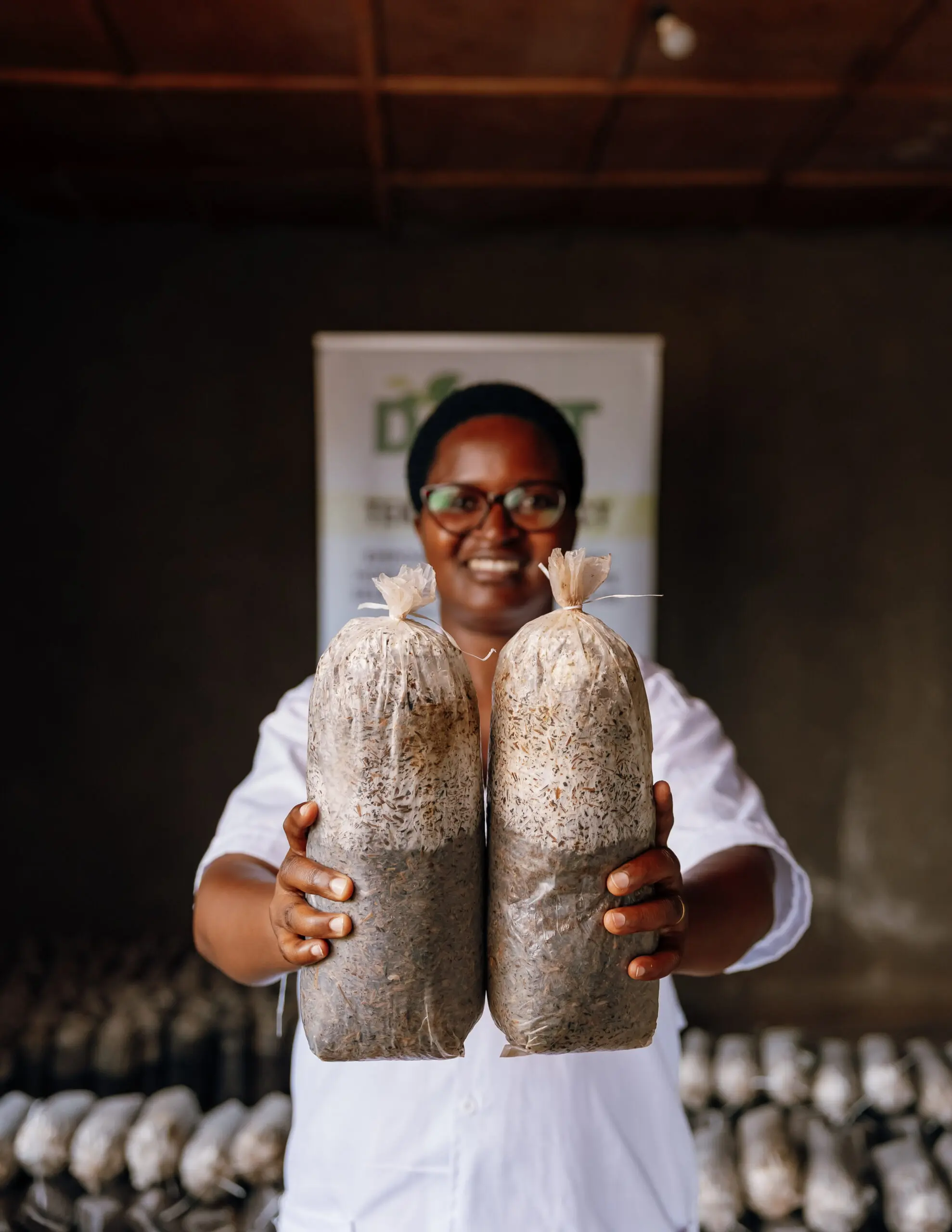
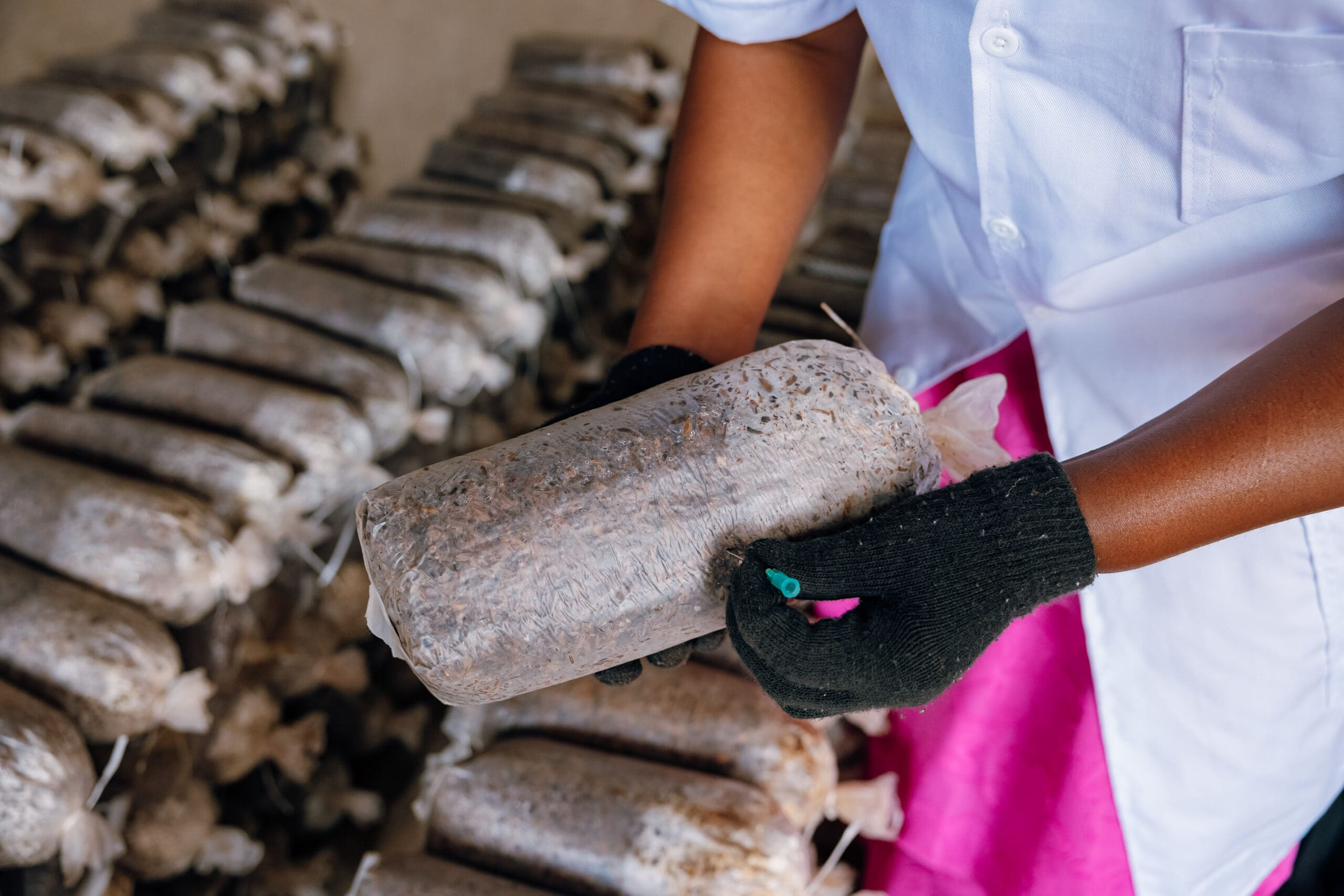
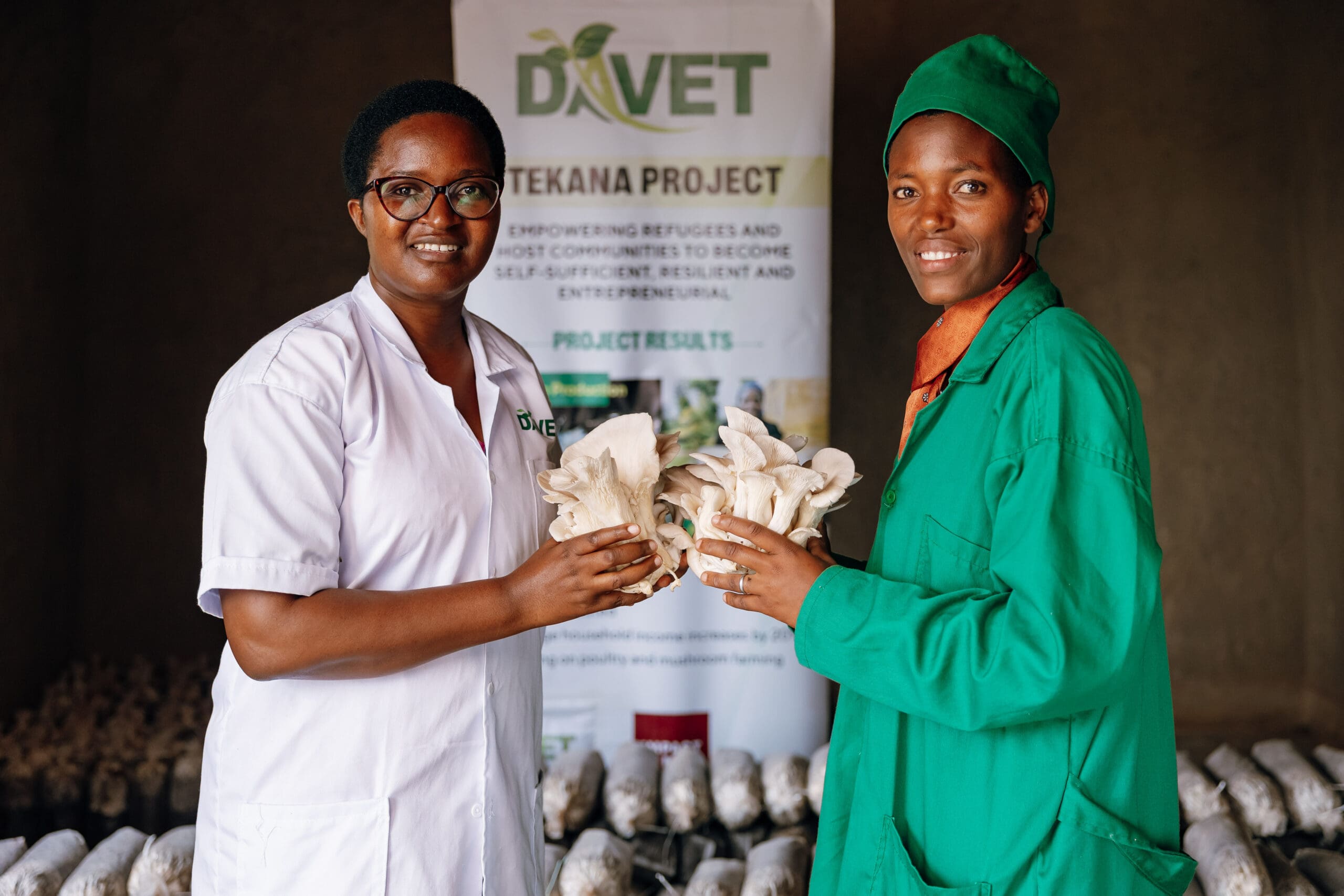
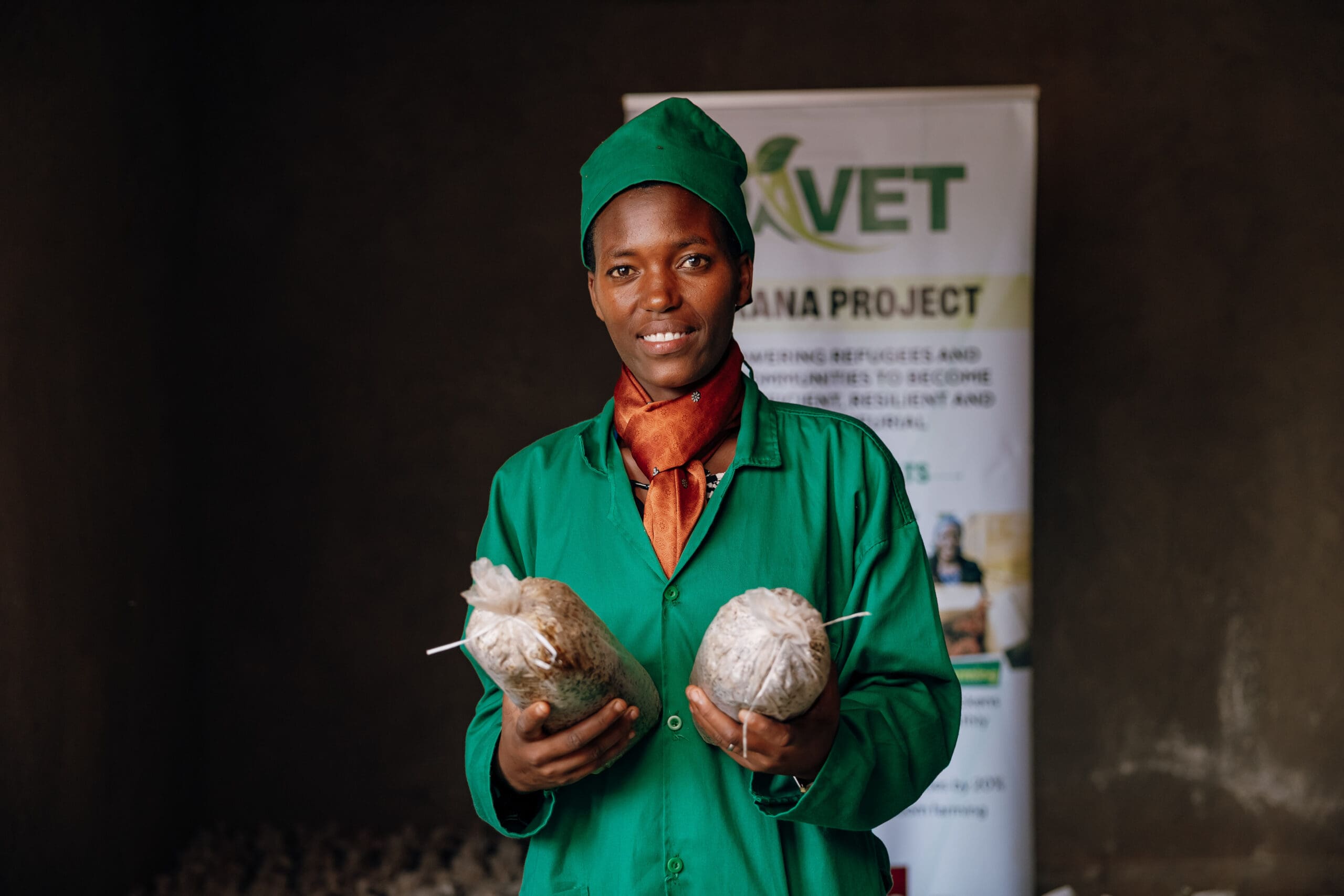
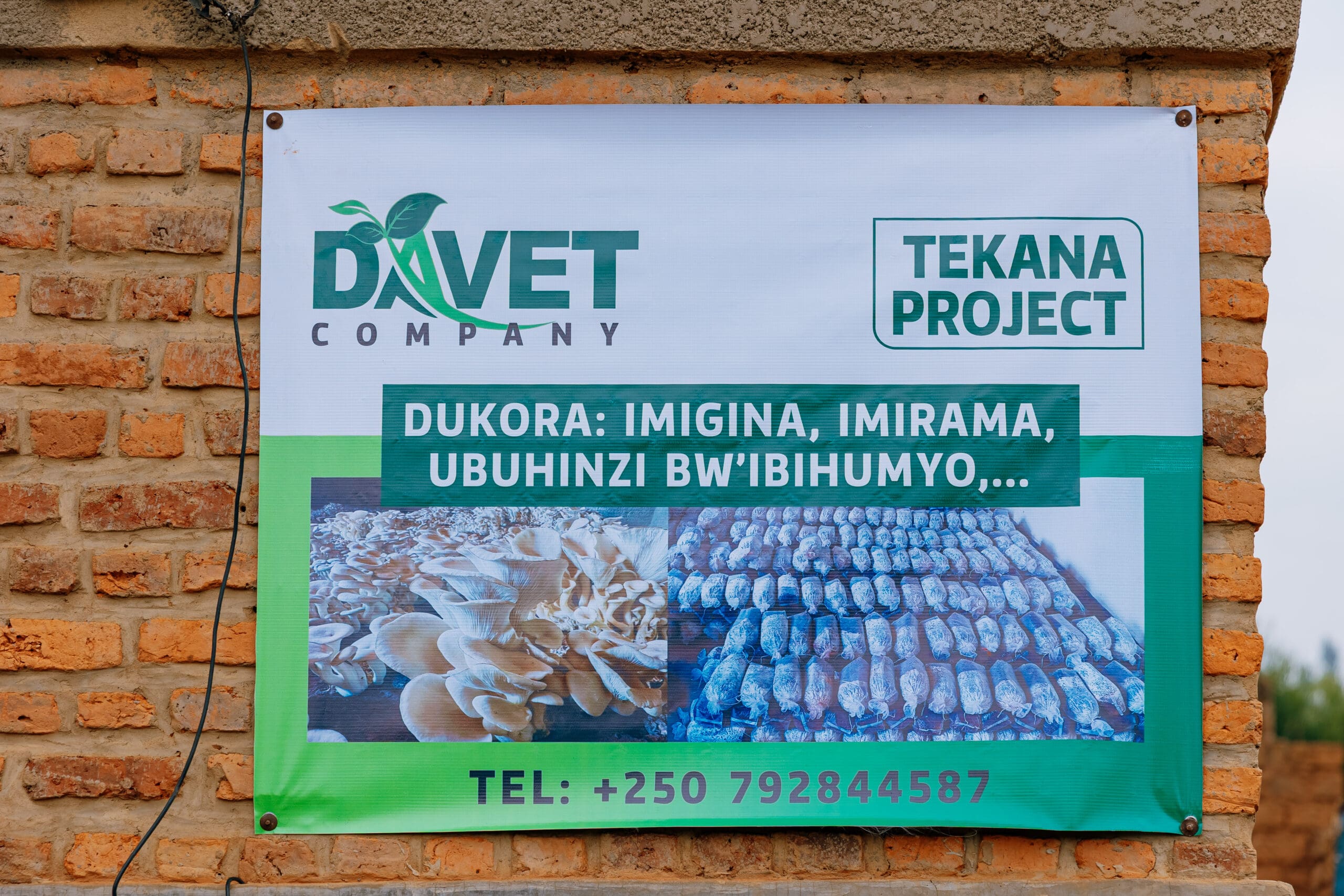
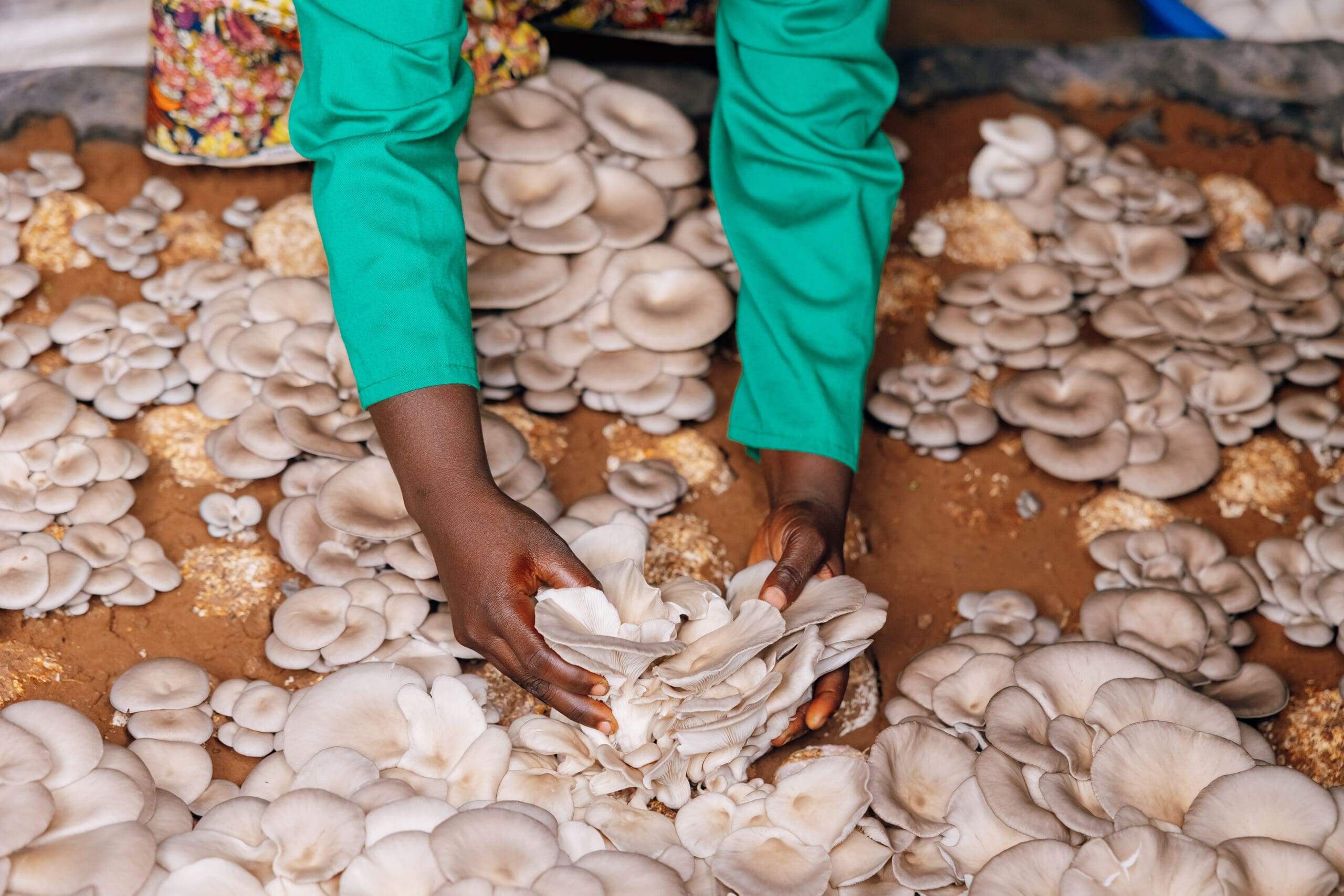
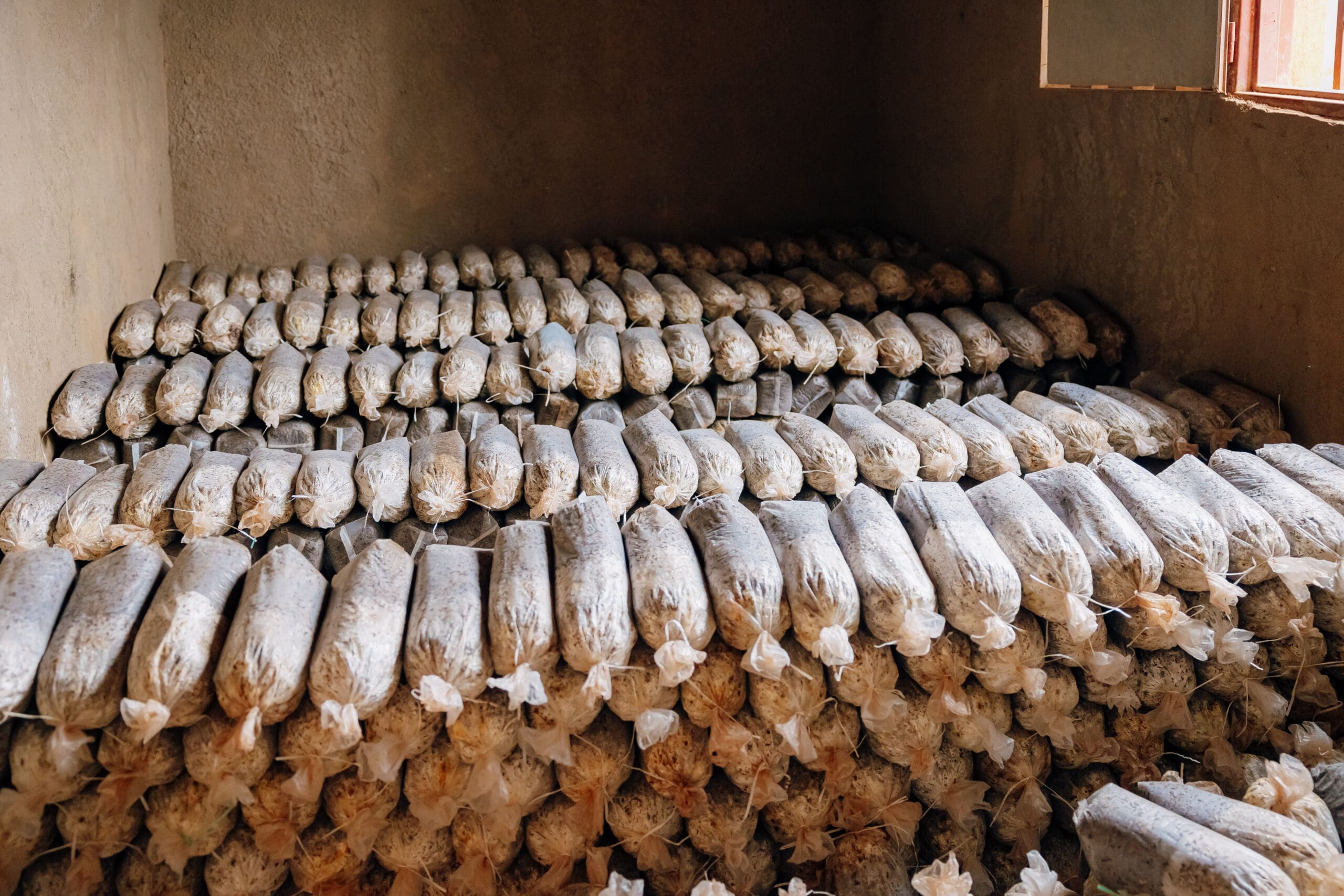
In Nyabiheke, Davet helped restore two mushroom hangars previously sitting idle. Today, 1,000 mushroom tubes are cultivated each month, producing 500 kg of mushrooms and generating about 500 USD in monthly revenue for the cooperative, with 30 refugees trained to manage production and sales. Across both communities, the project has engaged 150+ people in income-generating activities, trained 95 individuals, and created 45 jobs through working-capital support that doesn’t require upfront payment – a critical shift for vulnerable households with no liquidity to spare.
But money wasn’t the only lever.
Adeline describes the coaching from the Impact Hub team as the part that improved how she actually runs the business.
“I was mixing many parts of my business together,” she says. “The coaching helped me organise each sector properly, create a management system, and keep better records. I realised I didn’t have to stop any line of the business; I just needed structure.” Those adjustments allowed Davet to do the work it had always planned: revitalising abandoned poultry barns, training local farmers and refugees, and strengthening mushroom production in Nyabiheke. People who previously had no access to livestock, inputs, or reliable markets now participate directly in production and income generation.
Still, Adeline’s emphasis stays on people, not numbers. “The women, the youth, the refugees – they now have something they can build on,” she says. “They are not waiting; they are involved.”And when she reflects on what made the experience different, she doesn’t talk about frameworks or toolkits. “Impact Hub Kigali is not like other organizations,” she says. “They are cool, easy to work with, not stressful. The whole experience was smooth.”
Davet’s Progress is a story about a founder who finally got the right mix of capital, structure, and human support and used it to strengthen a model that communities can rely on.
Our 2025 Impact, in One Report
See the year’s priorities, key outcomes, and what they mean for the ventures and communities we worked with in 2025.