Circularity Series 10: How Inyange Champions Circular Innovation
How does Rwanda’s leading food processor integrate sustainability into its operations? In this Circularity Series edition, we explore how Inyange Industries is reducing waste, rethinking packaging, and optimizing resources.
From plastic recycling and wastewater treatment to refill stations and reusable packaging, Inyange is proving that circular solutions drive both impact and growth. Dive in to see how they’re shaping a more sustainable food system for Rwanda.

- Author :
- Impact Hub Kigali
Have you ever wondered how circularity is practiced at one of the leading food processing industries in Rwanda?
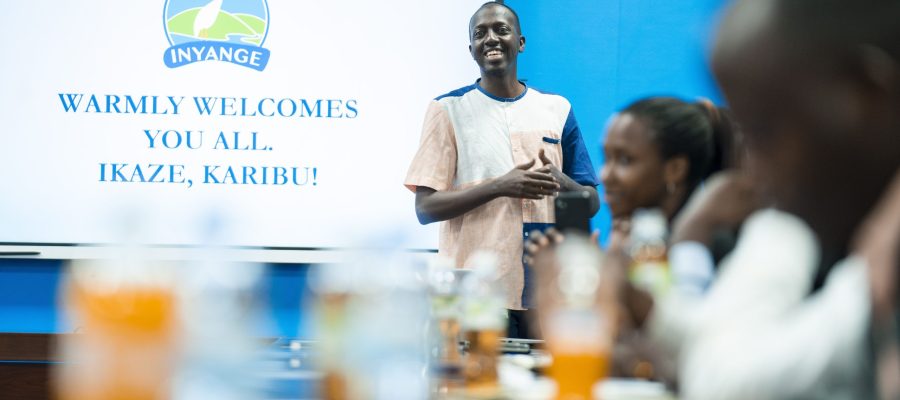
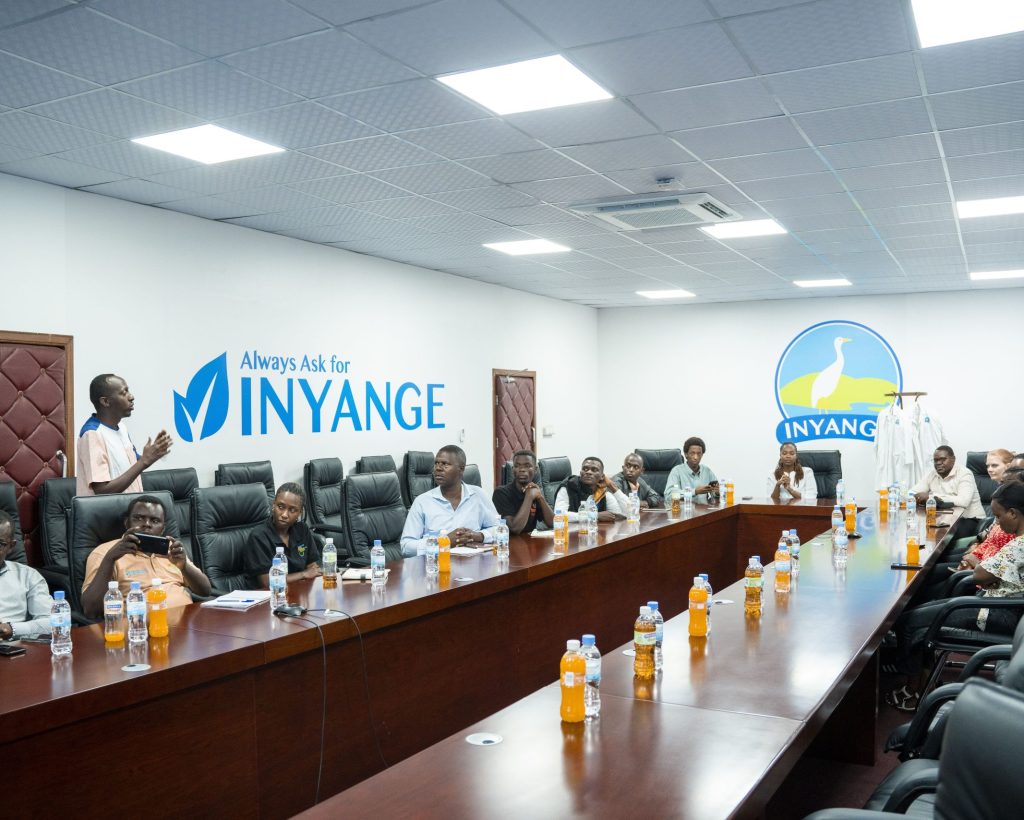
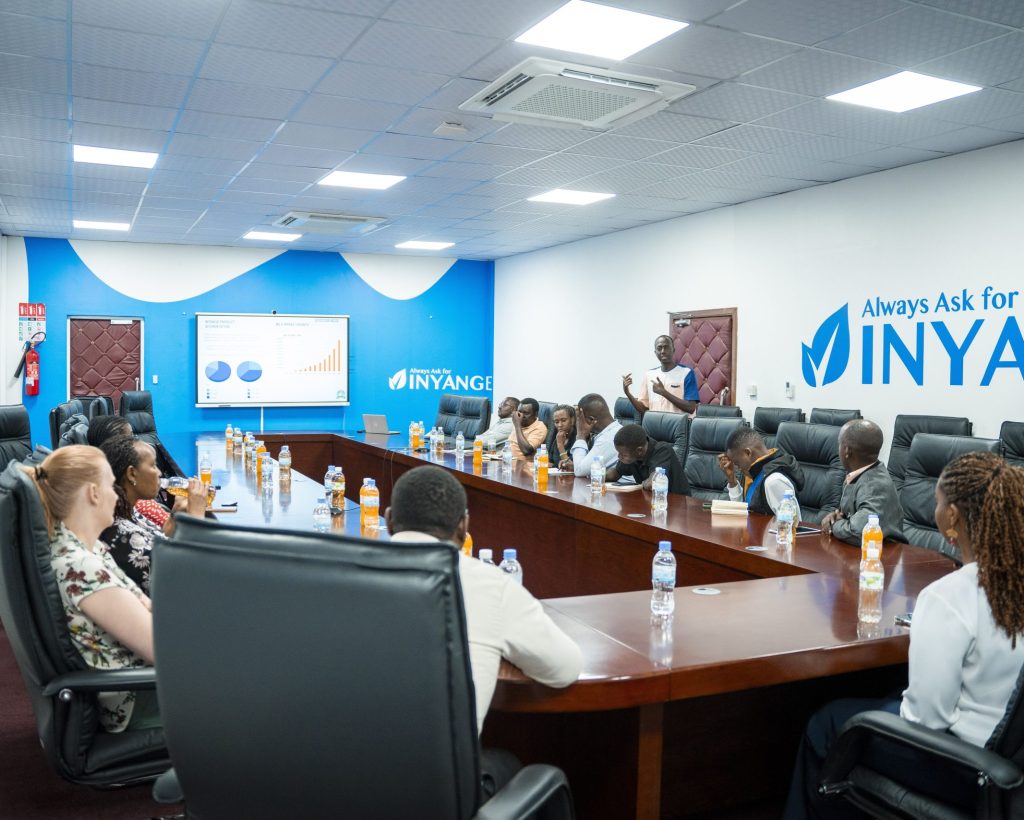
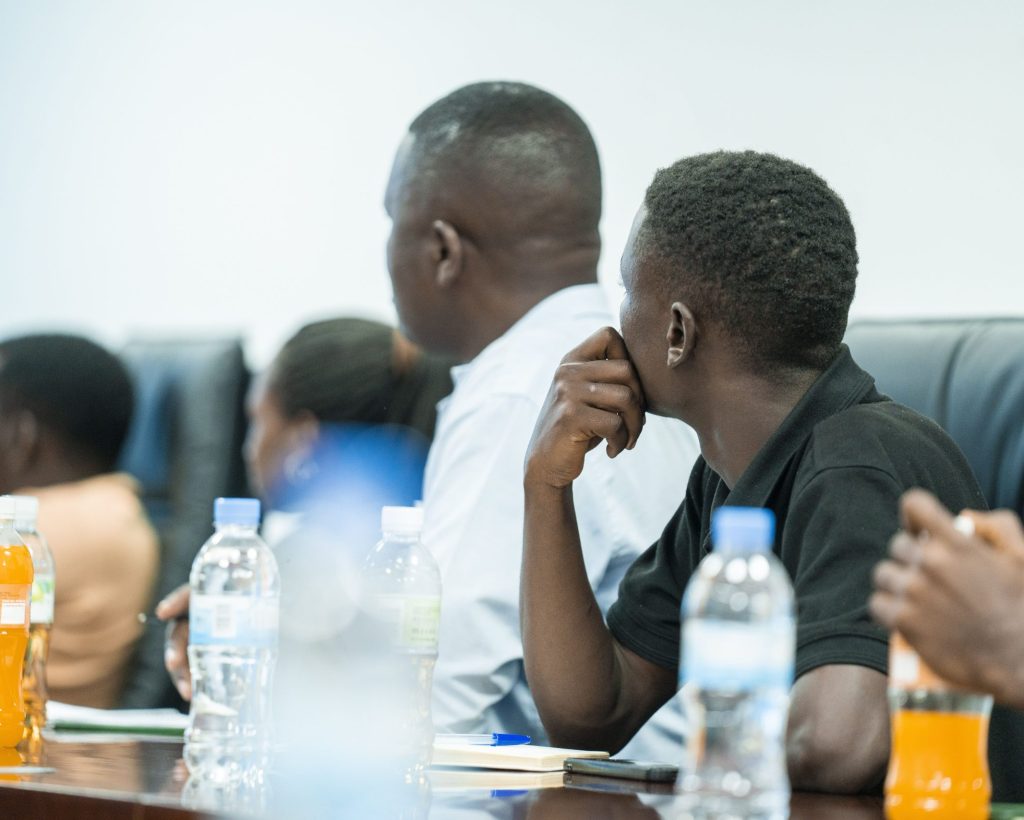
As part of our ongoing Circularity Series and in collaboration with the Circular Food Systems for Rwanda project, we recently had the opportunity to tour Inyange Industries and experience firsthand how they are integrating innovative solutions with environmental stewardship.
A Brief History of Inyange
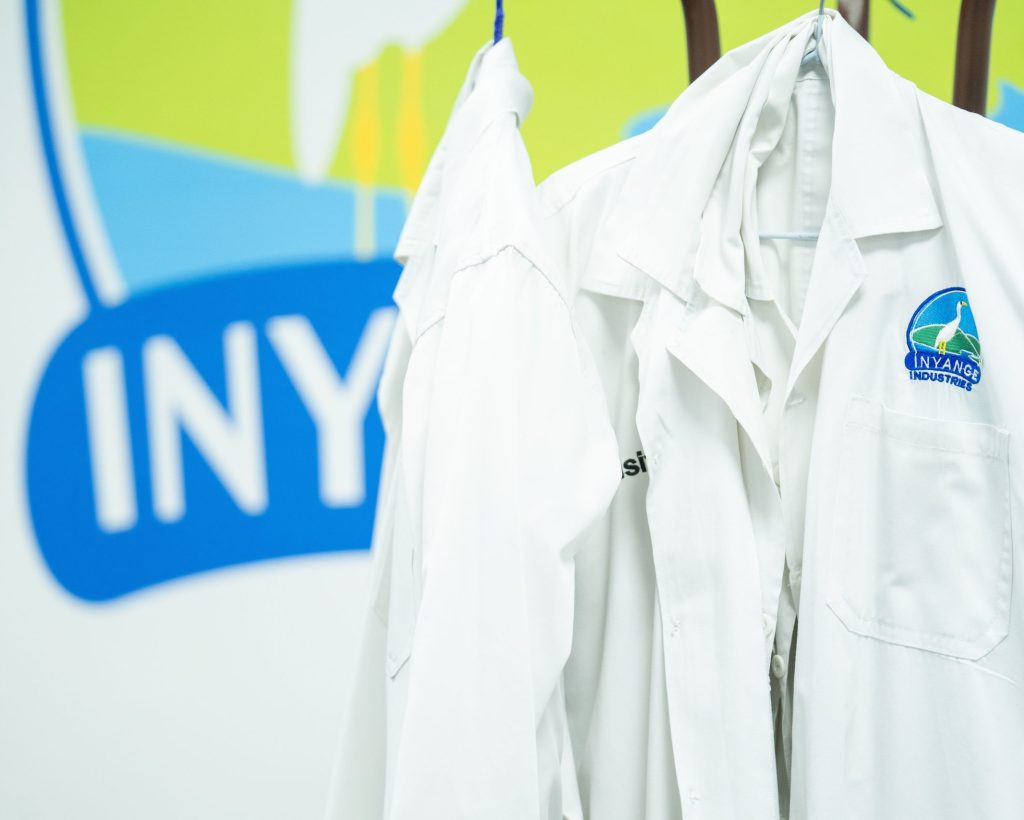
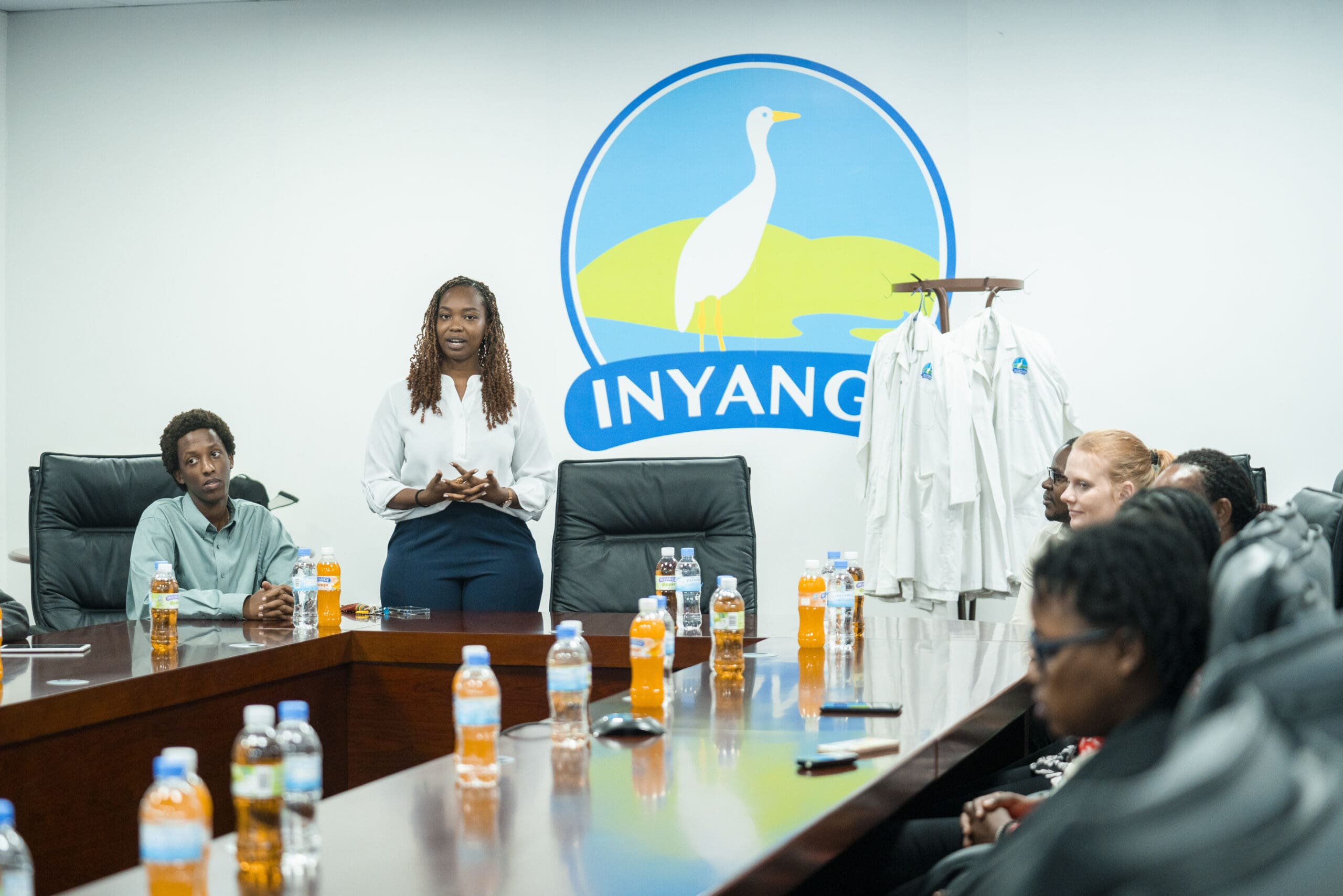
Our tour began with an engaging introduction by Parfait, the OEHS Manager (Occupational, Environmental, Health, and Safety), who shared the incredible story of Inyange Industries. Established in 1997 and launching production in 1999, Inyange initially focused on pasteurized milk and yogurts. Over the years, it has grown to become Rwanda’s largest food processing company, achieving remarkable milestones along the way.
Today, Inyange operates five factories with a combined production capacity of 843,000 liters per day, producing a diverse range of 91 products that include dairy, juices, and water. The company sources milk from over 100,000 farmers, a dramatic increase from just 3,000 farmers in 2010, and employs more than 570 staff across its operations. These achievements reflect Inyange’s commitment to not only scaling its business but also uplifting Rwanda’s agricultural sector and fostering inclusive growth.
Circularity in Action: Sustainability at Inyange
Inyange’s circular design strategies are at the heart of their commitment to sustainability. Their approach focuses on two main principles: the 3R framework (Reduce, Reuse, Recycle) and the Design Out Waste initiative. These strategies drive their operations, ensuring that sustainability is integrated into every step of the process. Below are some key initiatives that highlight how Inyange is turning circularity into action, making a tangible impact on the environment and community:
Waste-to-Wealth Project: Inyange has significantly reduced its solid waste sent to landfills, dropping from 20-25 tons per month in 2018 to just 6-10 tons today. This achievement is a result of the company’s collaboration with recycling partners, who repurpose solid waste, including plastics, into new materials. On average, 30,000 kilograms of plastic are recycled annually. Additionally, the company’s efforts have resulted in substantial cost savings. By reducing landfill trips from 25 to 10 per month, Inyange has saved 2,655,000 Frw per month. The segregation of recycled solid waste has also generated income and created three permanent jobs. Organic byproducts, such as spoiled milk, are redirected for agricultural purposes, including livestock feed, showcasing how the company creates value from materials that would otherwise go to waste.
Water Treatment Facilities: Inyange’s investment into a wastewater treatment plant has proven to become a cornerstone of their circular practices. Wastewater undergoes biological treatment using microorganisms, aerobic fermentation, and filtration through sand filters. The result? Neutralized water with a pH of 7 that is safe to return to the environment or reuse for cleaning. This process ensures minimal environmental impact while ensuring water resources are reused efficiently and for longer at the plant.
Rethinking Packaging: Sustainability is woven into every detail, including packaging. Inyange has embraced glass bottles as a durable and reusable alternative, reducing plastic waste while maintaining product quality. Additionally, the company’s introduction of reusable 18L gallon bottles, significantly reduced single-use packaging and further embedded circularity into its operations. By encouraging the return and reuse of these packaging solutions, Inyange extends the life cycle of materials and minimizes environmental impact.
Refillable, Sustainable Solutions: A standout example of circularity is Inyange’s MilkZone and WaterZone. These refill stations allow customers to bring their own containers, reducing reliance on single-use plastics. At the MilkZone, customers can refill their milk containers, cutting down on packaging waste. Similarly, the WaterZone promotes the use of reusable water bottles, offering a sustainable alternative to bottled water. These initiatives align with the company’s Design Out Waste approach, reinforcing its commitment to reducing single-use packaging while offering consumers practical, sustainable solutions.
Behind the Scenes: A Showcase of Process Optimization & Sustainability
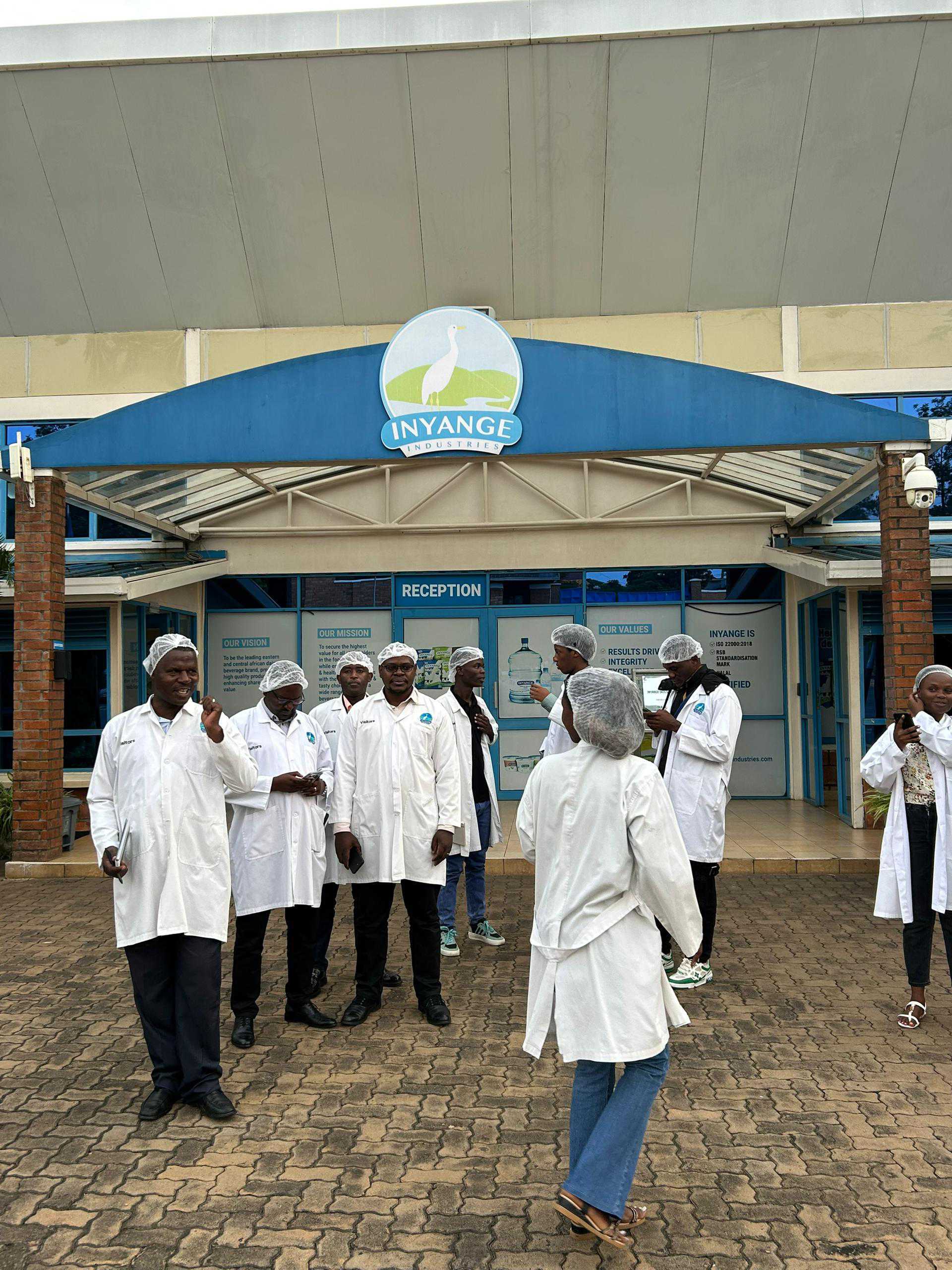
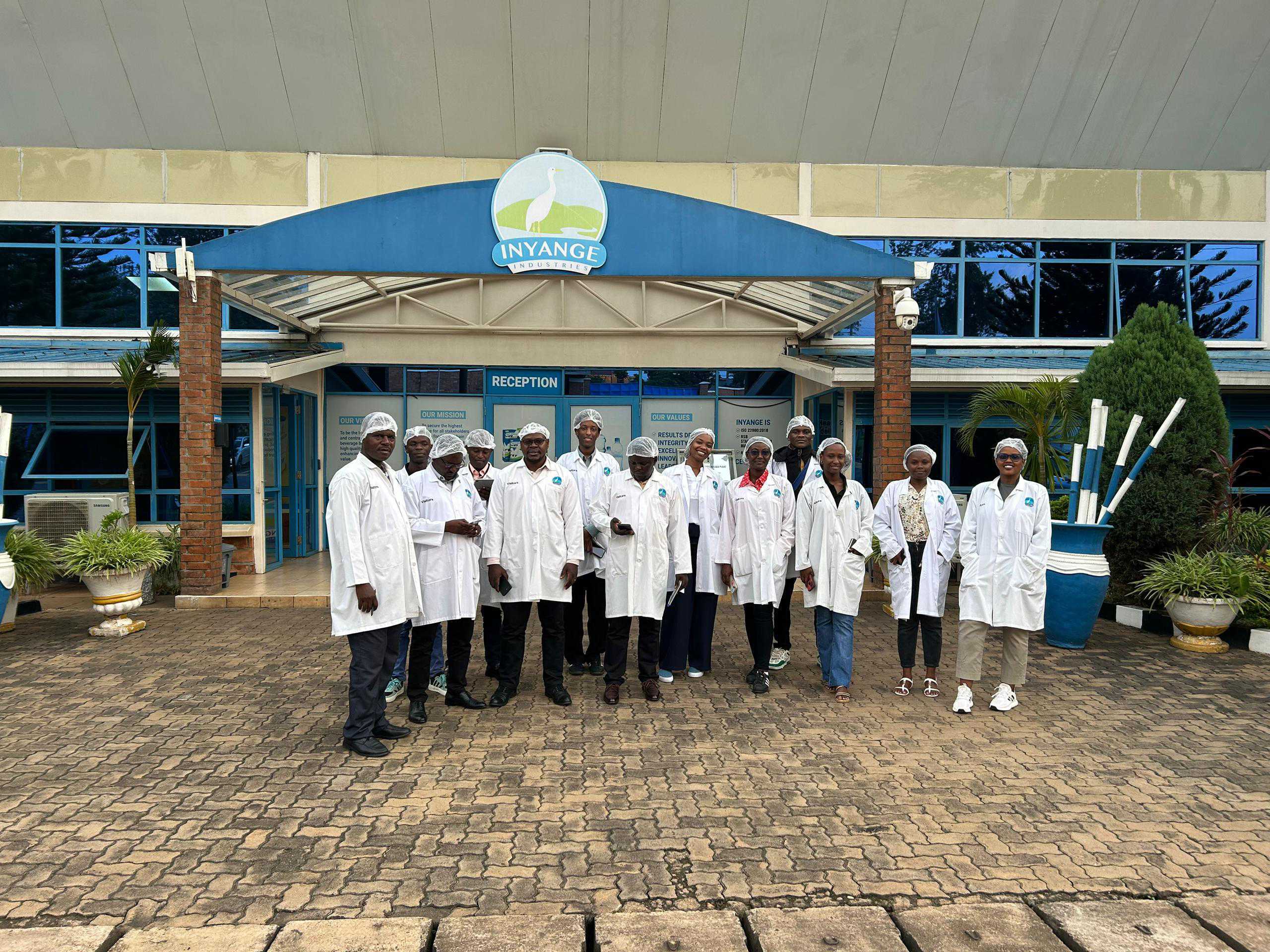
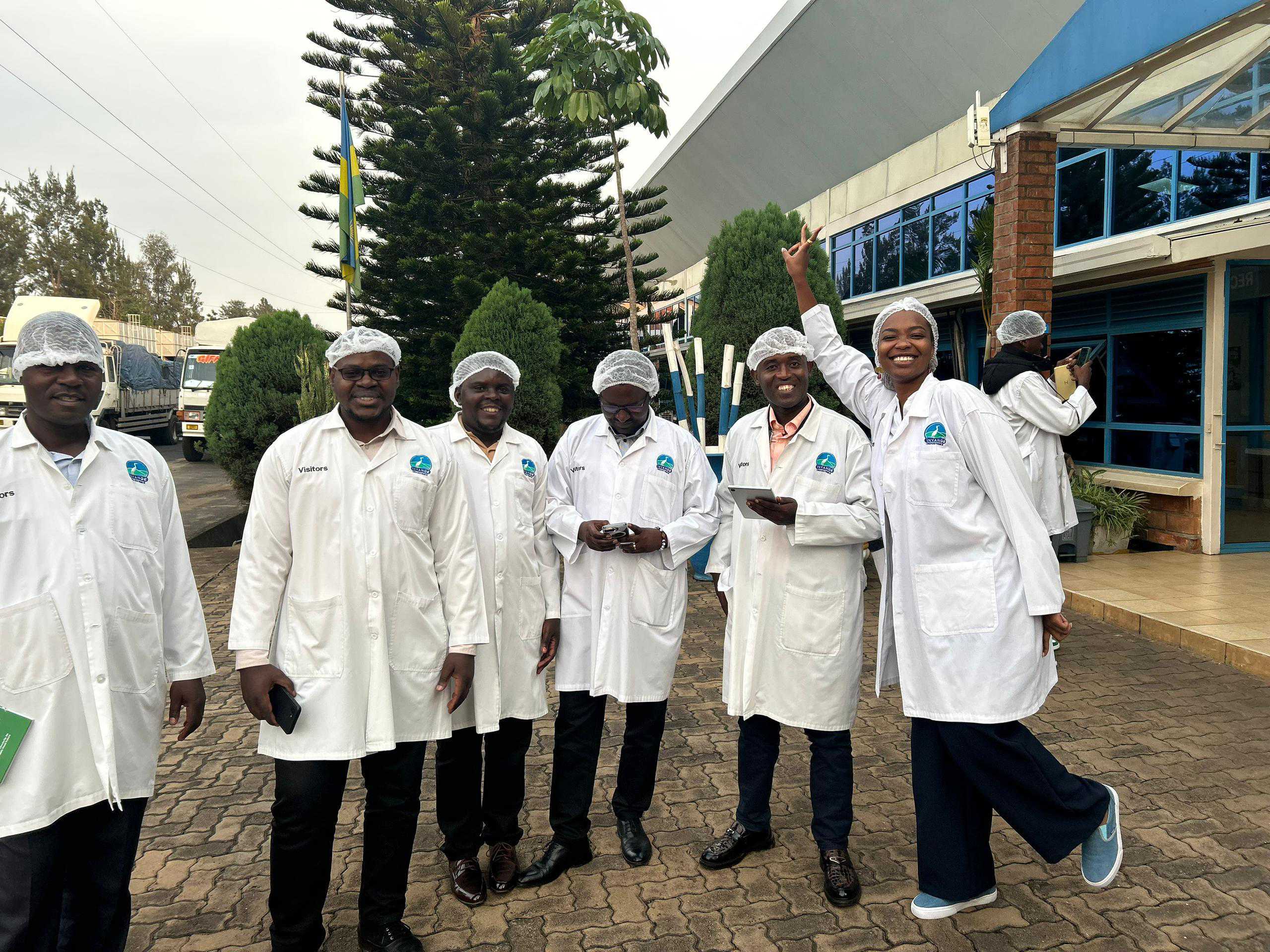
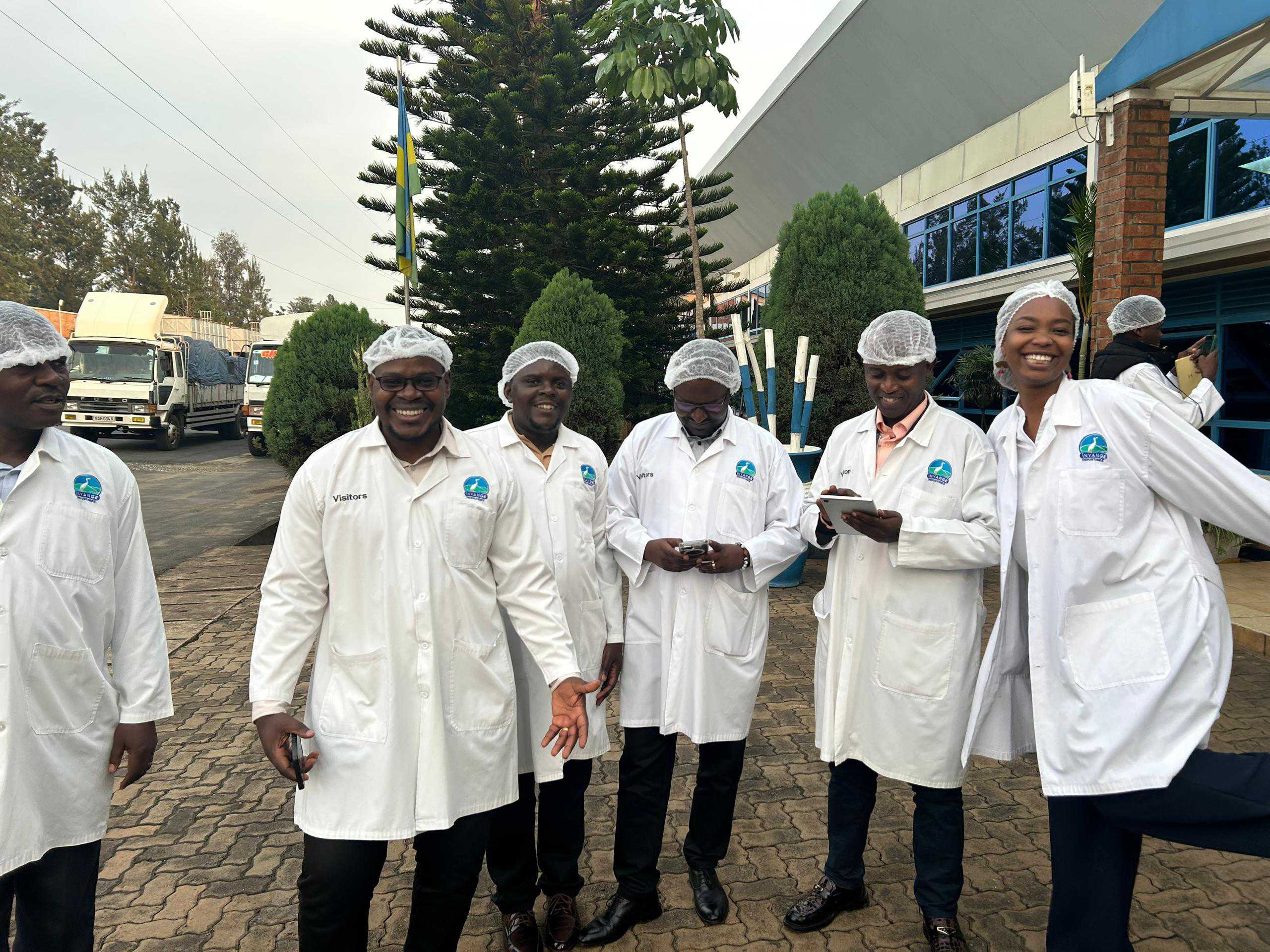
Walking through Inyange’s factory was nothing short of awe-inspiring. From fruit processing lines to high-efficiency washing machines, every corner of the facility showcased precision and sustainability. Strict quality control measures, including chemical and microbiological testing, ensure products meet the highest standards before reaching consumers.
“It was incredible to witness the scale at which Inyange operates and how sustainability is seamlessly integrated into their daily operations,” shared a participant beneficiary from the Circular Food Systems program. This perspective truly embodies the spirit of these tours—motivating both individuals and industries to adopt and embrace circular principles.
Circular Food Systems for Rwanda: A Shared Vision
The Circularity Series, conducted in collaboration with CIRF partners, is more than a set of events. It’s a movement to integrate circular economy principles into Rwanda’s food sector and beyond. By showcasing leaders like Inyange, the program fosters knowledge exchange, inspires action, and builds a community committed to sustainable transformation.
Inyange Industries exemplifies how innovation and dedication can transform challenges into opportunities. Their efforts resonate far beyond their factory walls, contributing to a resilient and sustainable food system for Rwanda. As we left the tour, one thing was clear: This isn’t just production; it’s a masterclass in sustainability.
To Building a Circular Future for Rwanda!
Join Our Community of Changemakers!
Sign up for our newsletter to unlock exclusive perks, exciting opportunities, and a dose of inspiration every other month. Stay connected and be the first to know about the latest in innovation, impact, and more!